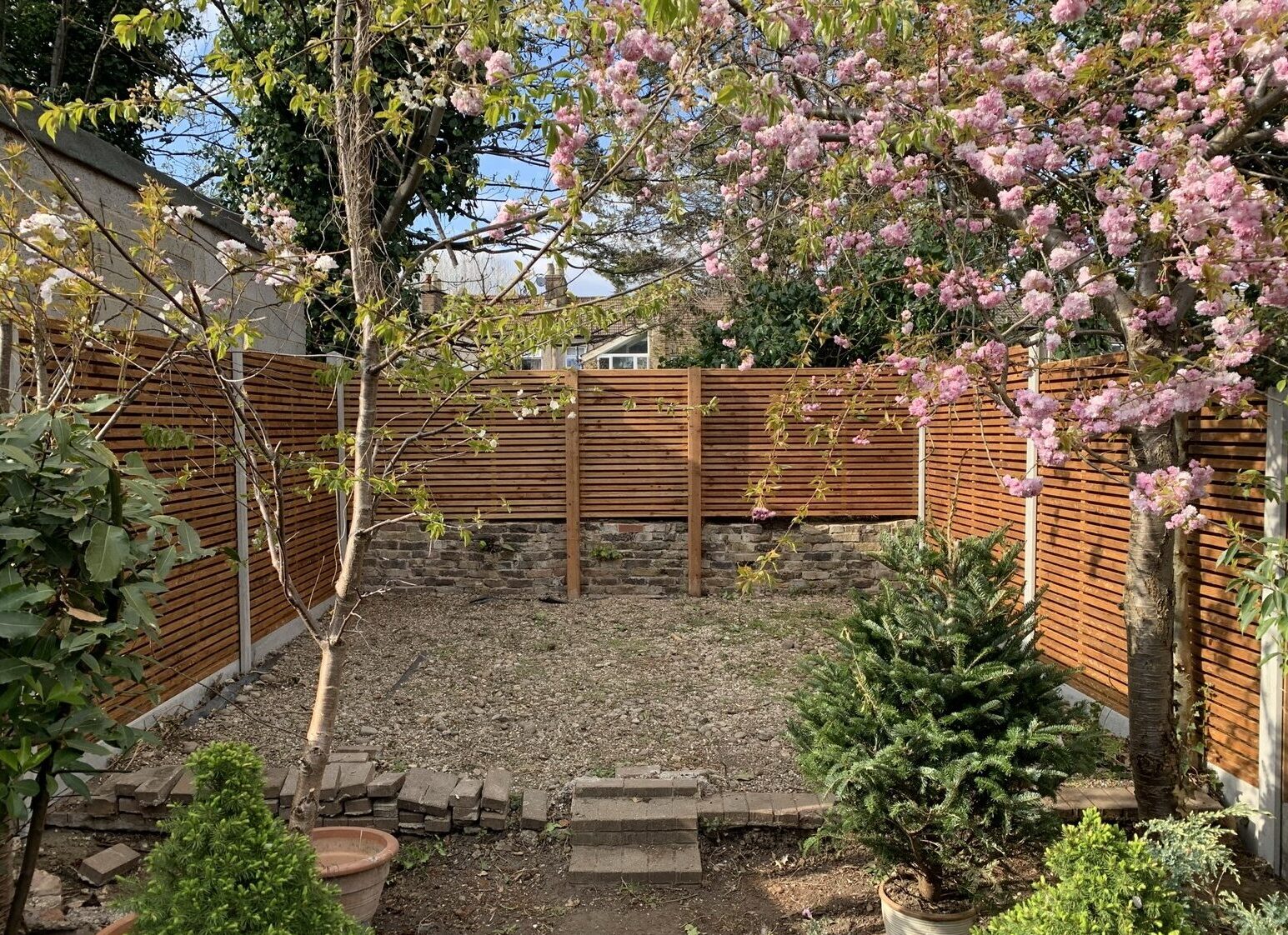
Shiplap Garden Gates for Driveways
Shiplap Garden Gates for Driveways
Shiplap garden gates for driveways combine a modern horizontal timber aesthetic with robust construction, providing a strong entrance solution for both pedestrian and vehicle access. From the first line you can envision a well‑designed driveway framed by matching boundary fencing and an elegant gate that merges style with functionality.
As part of a cohesive boundary system, selecting your gate in conjunction with the surrounding fencing is vital. Early in your planning you should align your gate specification with your fence run available via our fence installers service to ensure consistent height, timber finish and hardware quality.
What Are Shiplap Garden Gates?
A shiplap garden gate uses horizontally oriented timber boards that overlap in a “ship‑lap” profile—each board slightly overlaps the adjacent one, creating clean lines and effective weather resistance. Boards are typically fixed to a timber frame with horizontal rails and diagonal bracing, providing stability and contemporary style. The term “shiplap” is derived from the rabbeted joint technique that allows each board to lock over the next. :contentReference[oaicite:1]{index=1}
When used as part of driveway access, these gates offer a premium presentation and deliver both privacy and durability. They can match horizontal slatted fencing, or serve as a complementary feature to vertical‑board fences, giving your home a modern edge.
Key Benefits of Shiplap Garden Gates for Driveways
1. Modern Aesthetic and Visual Continuity
With horizontal timber boards, shiplap garden gates for driveways produce a clean, linear finish. The continuous board lines visually widen the entrance, strengthen the boundary appearance and complement contemporary architecture or minimalist landscaping plans.
2. Enhanced Weather Resistance
The overlapping board format provides natural rain‑shedding. Water follows the channel of the board overlap, reducing moisture penetration and prolonging timber life. Boards are often pressure‑treated and factory finished to improve resilience against UK climate conditions. :contentReference[oaicite:2]{index=2}
3. Privacy and Security
These gates often have minimal visible gaps between boards, which enhances privacy and gives a more solid appearance than traditional picket or open‑slatted gates. The robust frame and fixings ensure they perform well in driveway settings where frequent use, gates openings and vehicle clearances are involved.
4. Strong Upfront Value and Longevity
Given their construction and material specification, shiplap garden gates for driveways often outlast budget gate options. The horizontal layout reduces stress points, bracing ensures structural stability, and treatments reduce maintenance—a combination that gives long‑term return on investment.
Materials and Construction Details
High‑quality shiplap garden gates will include several construction features that distinguish them:
- Timber Boards: Typically 19–25 mm thick pressure‑treated boards with shiplap profiling. The overlap provides a robust face and reduced visible gaps. :contentReference[oaicite:3]{index=3}
- Framing & Bracing: Horizontal rails (top and bottom), a mid‑rail, and diagonal bracing ensure rigidity and reduce sag. Some models include full frames with thicker timber for heavy duty use. :contentReference[oaicite:4]{index=4}
- Post & Fixings: Gate posts should be chosen to match the height and width of the gate, typically set in concrete foundations or mechanically anchored. Hardware should be galvanised or stainless steel to avoid corrosion over time.
- Finish & Treatment: Boards pre‑treated for ground contact or weather exposure, factory sealed or left ready for final stain/paint. Color finishing gives choice to match fencing or external décor.
Installation Guide
The process of installing a shiplap garden gate, especially for driveway access, must be executed with care to guarantee durability and performance:
- Measure opening width and height: Ensure the gate width allows for swing clearance and vehicle access if required. Double‑leaf gateways may require wider frames.
- Select robust posts: Posts should be planted at a suitable depth (commonly 600 mm or more) and set in concrete or mechanically anchored. Ensure posts are plumb and aligned with fence runs.
- Hang the gate: Attach hinges to the post and hang the gate. Use packers to ensure correct clearance from the ground (typically 20‑40 mm) to allow for smooth operation and protect timber from ground moisture.
- Install latch and securing hardware: Heavy‑duty latch, pad‑bolt or drop bolt for double gates, with strike plate fitted on post to ensure secure closure.
- Finish treatment: Apply timber finishing products to boards, and check fixings after initial use. Annual inspections help identify sagging or hinge wear early.
Usage Scenarios & Garden Integration
These gates suit a variety of situations, including:
- Driveway Entrances: Single or double leaf shiplap gates that match horizontal boundary fencing and create a striking entrance statement.
- Side Gate Access: Narrower single‑leaf versions allow pedestrian access while maintaining visual flow with fencing along side returns.
- Private Courtyards: Gates in shiplap style create secure zones while aligning with modern garden design features like decking, patios or screen walls.
By linking your gate to the surrounding boundary, you reinforce the perception of a well‑planned outdoor space. Including internal links such as to our core product page shiplap gates product page gives users further context and supports our keyword‑focused structure.
Maintenance & Care
A well‑installed shiplap garden gates for driveways requires only routine upkeep to maximise lifespan:
- Clear debris and vegetation around the gate base to prevent ground moisture contact.
- Re‑apply stain or paint every 3‑5 years depending on exposure and product specification.
- Check hinges and fixings annually; tighten bolts, lubricate hinges and inspect latch operation.
With correct treatment and usage, these gates can remain visually and structurally sound for 15 years or more.
Comparing Gate Styles
When choosing gate types, it’s helpful to compare how shiplap garden gates for driveways perform against alternatives:
| Gate Style | Visual Style | Privacy Level | Maintenance |
|---|---|---|---|
| Shiplap Gate | Modern horizontal timber | High‑moderate | Medium |
| Closeboard Gate | Traditional vertical overlapping boards | High | Medium |
| Picket Gate | Open vertical pale styling | Low | Low |
If your design target is modern, streamlined and visually expansive, then the horizontal format of shiplap begins with a clear advantage.
Suitability for Essex & London Properties
In areas such as Essex and London, characteristics of typical plots include narrow access, side gates, front drives and high‑visibility boundaries. A tailored shiplap garden gates for driveways solution meets these needs by offering:
- Compatibility with narrow side access and single leaf applications.
- Vehicle width options for driveway gates while maintaining consistent timber appearance.
- Materials and finishes that suit local weather conditions and maintain appearance over time.
Environmental Considerations & Sustainability
Timber is a renewable resource, and when sourced responsibly, a shiplap gate provides both performance and environmental credentials. Choose timber with certification such as FSC® or PEFC®. The shiplap form also uses fewer fixings and can be repaired board‑by‑board rather than replacing entire sections—minimising waste.
For more on the construction technique and historical usage of shiplap board profiles, refer to the Wikipedia entry on shiplap.
Conclusion
With a professionally executed shiplap garden gates for driveways installation, you gain an entrance that is visually coherent, structurally robust and long‑lasting. By aligning gate specification with your fence run, using quality materials and ensuring correct installation, you set your boundary up for years of reliability and visual appeal in Essex, London and beyond.